
Free Guide

Why Bathrooms Are Extra Dangerous for Older Adults

I've seen it happen. One minute someone is fine, and the next they've slipped in the bathroom — bruised, scared, and shaken. The bathroom may not cause the most falls, but the falls that happen there are far more likely to cause serious harm.

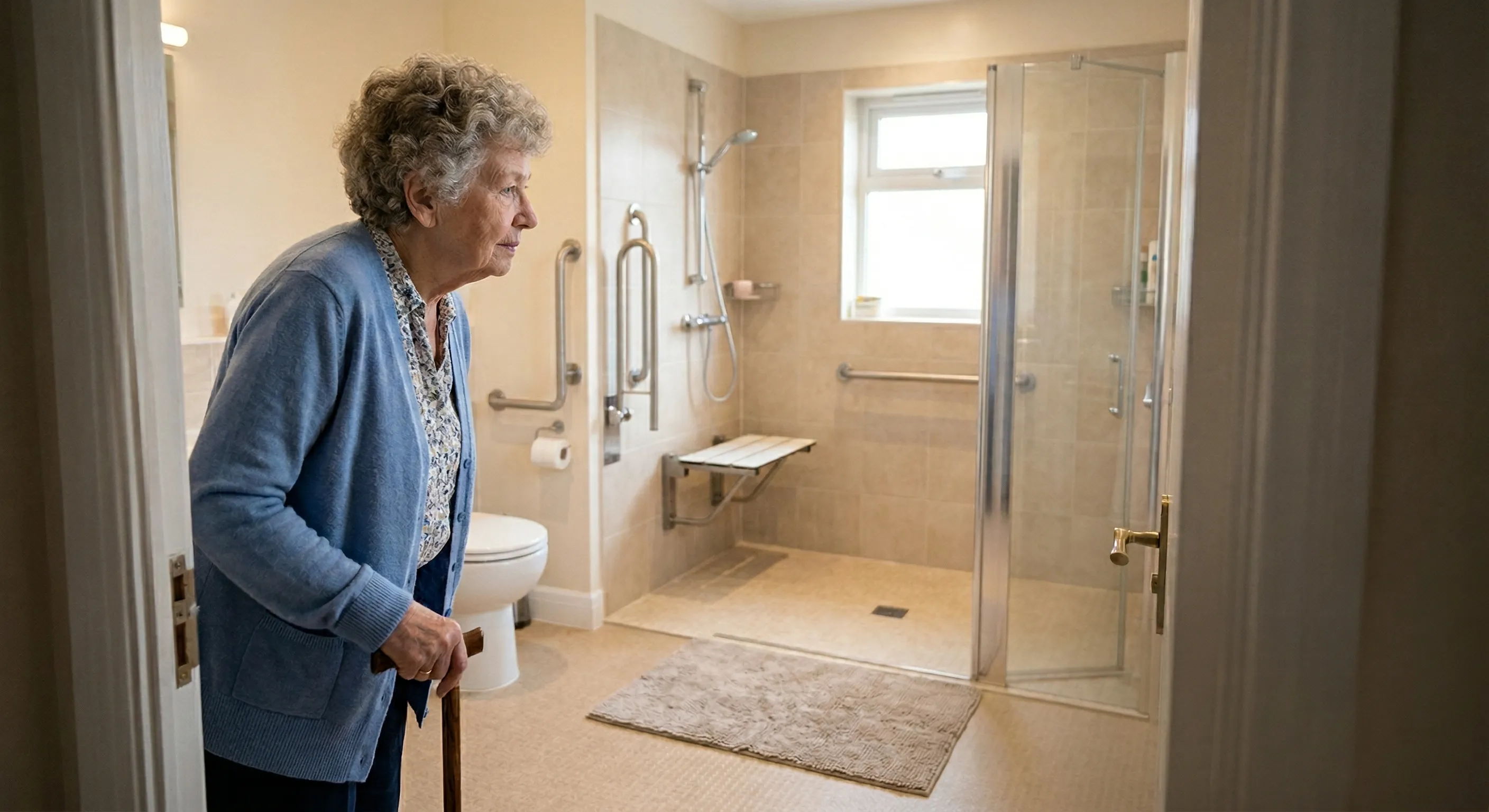
A senior's bathroom showing common fall hazards like a slippery floor and lack of grab bars near the bathtub

The Numbers Behind Bathroom Falls

Every year, more than one in four adults over 65 falls. Falls are the leading cause of injury-related death in this age group — and death rates from falls climbed 41% between 2012 and 2021. The CDC estimates falls cost $50 billion each year in medical bills.

17% of injurious falls happen in bathrooms
81% of nonfatal bathroom injuries are from falls
234K bathroom injuries treated in ERs per year

Falls lead to roughly 3 million ER visits and about 1 million hospital stays each year. From 2016 to 2018, those incidents cost about $19.2 billion. As more people age, those numbers will keep climbing.

What Bathroom Falls Actually Do

Bathroom falls can cause anything from bruises to life-changing injuries — and the damage isn't just physical.

🦴 Hip Fractures

Among the most serious consequences. They take months to heal and often lead to complications, loss of independence, and long-term care needs.

🧠 Head Injuries

Common when someone strikes a bathtub edge, sink, or tile floor. A 2020 study found that nearly 30% of older adults who fall in the bathroom suffer a head injury — which can lead to cognitive problems.

😰 Fear of Falling

Often underestimated. Older adults who fall once develop a fear of falling again. That fear leads to less movement, which weakens muscles, which leads to more falls. The fear itself becomes a risk factor.

💰 Financial Impact

A single fall-related ER visit averages $20K–$35K. A hip fracture can cost $65K–$105K with surgery, rehab, and skilled nursing. Compare that to a few hundred dollars in bathroom modifications.

Why Bathrooms Are So Risky

Several things come together to make bathrooms especially hazardous for older adults.

🏗️ Physical Environment

  • Hard tile and porcelain don't forgive a fall
  • Water creates unpredictable slip hazards
  • Tight spaces make it hard to regain balance
  • High tub edges force risky step-overs
  • Low toilet seats require deep squats
  • No grab bars where support is needed most

👤 Age-Related Changes

  • Arthritis and osteoporosis reduce mobility
  • Vision changes make hazards harder to see
  • Cognitive decline can lead to poor judgment
  • Slower reaction times reduce recovery ability
  • Medications may cause dizziness
  • Muscle weakness affects transfers

A 2023 research review found that 50–60% of older adult falls happen at home, with many in bathroom areas. Yet about 40% of older adults who fall repeatedly haven't made any changes to their bathroom. That gap needs to close.

Design and Layout Challenges

🚪

Narrow doorways make it hard to enter with a walker

🔀

Awkward layouts force unnecessary movement around obstacles

💡

Poor lighting — especially at night — increases fall risk

🎨

Low color contrast between floors and fixtures causes missteps

🧱

Thresholds and transition strips catch toes or walker wheels

🚰

Water pooling near tub exits creates invisible hazards

These aren't dramatic hazards. They're quiet ones that compound over time — and they're exactly what a professional assessment catches.

3 Simple Fixes That Make Bathrooms Safer

You don't need a renovation. Most bathroom fall risks can be significantly reduced with a few targeted changes.

1

Install Grab Bars

Provide essential support near the shower, toilet, and bathtub. Bars should be anchored to studs, at 33–36 inches, and rated for 250 lbs. This isn't a decorative towel bar — it's a structural safety device.

2

Use Non-Slip Surfaces

Place non-slip mats or adhesive strips inside and outside the tub, and near the sink. Replace loose throw rugs or remove them entirely. These cost very little and prevent the most common type of bathroom fall.

3

Adjust Toilet Height

Low seats force deep squats that are difficult with knee, hip, or balance issues. A raised toilet seat can dramatically improve daily safety. Often overlooked but highly effective.

Beyond the Basics

Walk-In Shower

Removes the need to climb over a tub edge entirely.

Lever-Style Faucets

Easier to operate than traditional knobs, especially with arthritis.

Anti-Scald Devices

Prevent burns from hot water — reaction time slows with age.

Shower Chair or Bench

Provides stability and rest for those who struggle standing during bathing.

Motion-Activated Lights

Illuminate the path to and through the bathroom without requiring a switch.

Color Contrast Improvements

Help those with vision changes distinguish edges, floors, and fixtures more easily.

These changes increase comfort and independence — which is the whole point.

The Bottom Line

Bathrooms may not be where the most falls happen, but they are disproportionately dangerous for older adults. Hard surfaces, water, tight spaces, and high-demand transfers make it the highest-risk room in the house.

The good news: most of these risks are fixable. Grab bars, non-slip surfaces, and a few targeted adjustments can prevent the kind of fall that changes everything.

The gap between knowing the risk and actually doing something about it is where families get stuck. That's exactly what StillWell was built to close.

Frequently Asked Questions

Where do most bathroom falls happen?

CDC data shows the highest injury rates in or around the tub/shower and on or near the toilet. Getting in and out of the tub is a particularly hazardous moment — that's the transfer that catches most people off guard.

Are bathroom falls more dangerous than other falls?

Yes. Research shows bathroom falls are roughly 2.4 times more likely to result in injury compared to falls in other rooms. Hard tile, water on the floor, and tight spaces leave very little room for error.

What are the most effective bathroom safety modifications?

Grab bars (properly anchored at 33–36 inches, rated for 250 lbs), non-slip strips or mats in the tub/shower, adequate lighting (especially night lights), removing loose throw rugs, and adjusting toilet height if it's too low.

How much do bathroom safety modifications cost?

Most quick-win modifications — grab bars, non-slip mats, brighter lighting — cost under $200 total. Compare that to a single fall-related ER visit, which averages $20,000–$35,000.

Will my parent actually use grab bars?

In our experience, yes — when they're placed correctly. The key is positioning them where the person actually reaches during real transfers, not where they look symmetrical. That's why a professional assessment matters.

Colton Henderson, Founder of StillWell Health

About the Author

Colton Henderson, MSN, RN

Colton Henderson is the founder of StillWell Health, a nurse by trade with experience in emergency care, healthcare SaaS, and aging-in-place solutions. He helps families across Greater St. Louis and Southern Illinois keep seniors safe at home.

Start with a free bathroom safety survey

15 minutes. One bathroom. A ranked scorecard of your top risks and fixes. No cost, no obligation — just clarity on what actually matters.

Call Us Free Bathroom Survey