
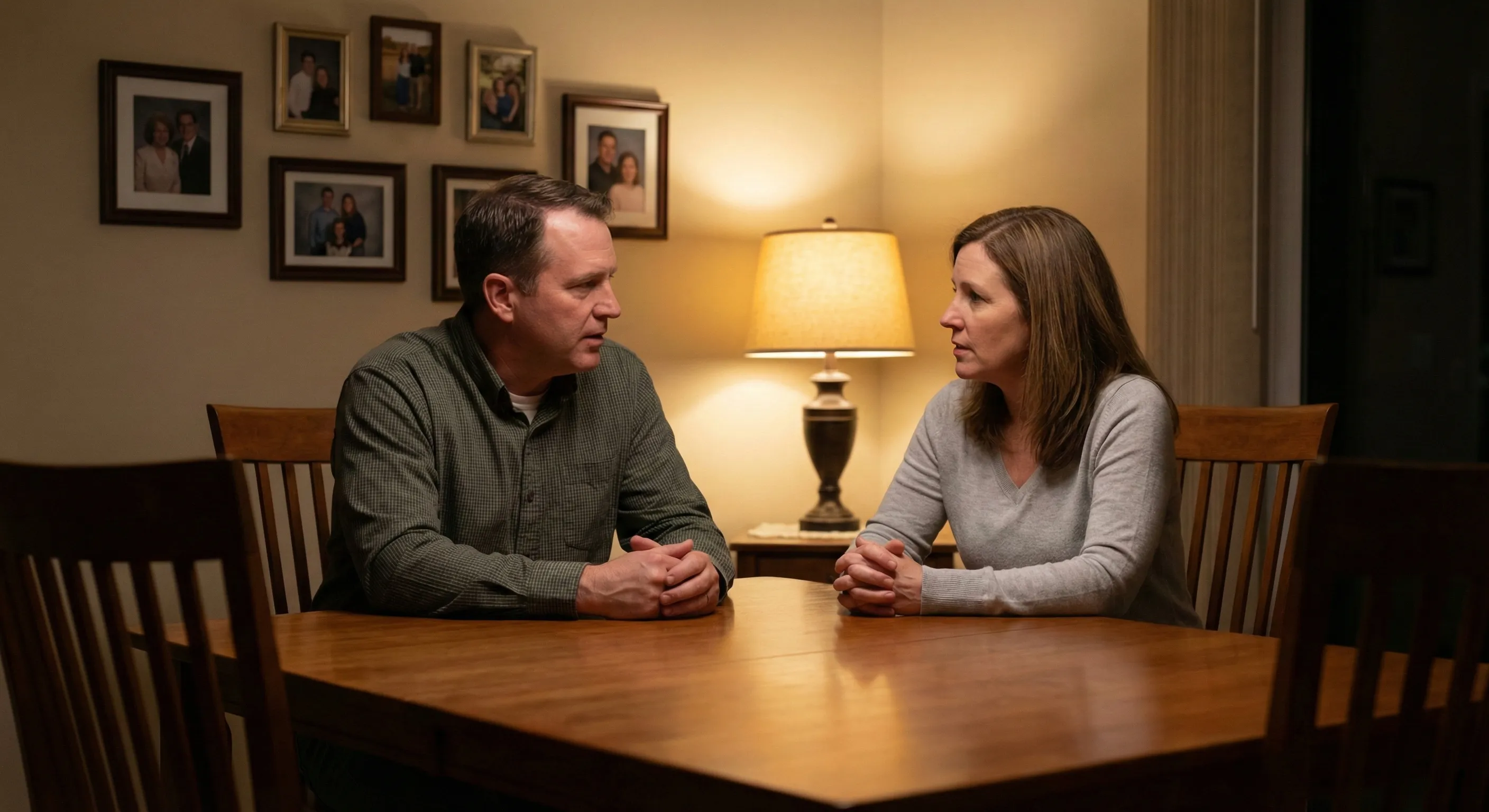
Early cognitive changes.

The diagnosis is still new. The path forward isn't clear. But safety and support need to start now.

Note: StillWell Health does not diagnose or treat dementia. We provide home safety and monitoring support for families navigating cognitive changes. Always work with qualified healthcare providers for medical decisions.

Early doesn't mean easy. It just means there's still time to prepare.

When a loved one shows signs of memory changes β€” whether it's a formal diagnosis or just patterns you've started noticing β€” the ground shifts. Conversations get harder. Routines become more important. And safety concerns that didn't exist before suddenly do.

The challenge: you want to support them without taking over. You need visibility without surveillance. You want to help them stay home as long as safely possible.

That balance is exactly what we're built for.

What Families Worry About

πŸ“…

Routine disruption

Sleep patterns, mealtimes, medications, hygiene β€” the structure that keeps days predictable starts to slip.

πŸšͺ

Safety risks at home

Wandering, leaving the stove on, doors left unsecured, forgetting to eat or take medications.

🧠

Reduced insight

They may not recognize problems β€” or may deny them. Self-report becomes unreliable.

πŸŒ™

Nighttime confusion

"Sundowning" β€” increased confusion in the evening β€” raises fall risk and caregiver anxiety.

What Can Happen

With cognitive changes, the gap between "okay" and "not okay" can close quickly β€” and without warning:

  • Safety events without immediate awareness β€” falls, wandering, kitchen incidents that happen when no one's there
  • Faster loss of independence β€” problems surface late and force sudden, reactive decisions
  • Crisis-mode care escalation β€” instead of gradual planning, families scramble after an incident
  • Caregiver burnout β€” the mental load of constant vigilance takes a toll

The progression of cognitive change is unpredictable. What's manageable today might not be tomorrow. Awareness allows adaptation.

The Insight Problem

"She doesn't think anything is wrong. She gets upset when we try to help. But we've seen her leave the stove on twice this month."

One of the hardest parts of supporting someone with cognitive changes is that they often can't see what you see. They may reject help, deny decline, or become frustrated when concerns are raised.

That's not stubbornness β€” it's a symptom. And it's why objective visibility matters even more.

What Helps

1

Secure the environment

A home safety review identifies cognitive-specific hazards β€” stove safety, door security, fall risks, medication access.

2

Simplify and adapt

Targeted modifications β€” automatic stove shutoffs, door alerts, night lights, simplified routines β€” reduce risk while preserving function.

3

Watch for pattern changes

Activity monitoring tracks sleep, movement, and routine consistency β€” early signs that things are shifting, before a crisis forces your hand.

Supporting β€” Not Replacing β€” Independence

Early cognitive changes don't mean capacity is gone. Your loved one can still make choices, have preferences, and live meaningfully.

StillWell Health supports that independence by providing quiet background awareness β€” not constant supervision. The goal is to let them live their life while you stay informed about what's actually happening day to day.

When changes happen, you'll know β€” and you can adapt proactively instead of reactively.

We Serve Families Near You

StillWell Health supports families in the St. Louis Metro East region with dementia-safe home monitoring and safety solutions.

Research shows that early environmental modifications and monitoring significantly extend safe independent living for people with cognitive changes.

In situations like this, the most effective first step is a professional home safety reviewβ€”to identify risks before they become crises.

Navigating cognitive changes is hard.

We're here to help with the practical side β€” home safety, monitoring, and visibility β€” so you can focus on what matters.